
Now that the Chelsea Flower Show is just a tantalising trace scent of roses and lavender, it’s worth wondering what happens to the gardens now that they have to be pulled up by workers in hi-vis and JCBs. My visits were always slightly spoiled by the thought that some of those mature trees looking so good on main avenue were heading straight for the chipper after the show.
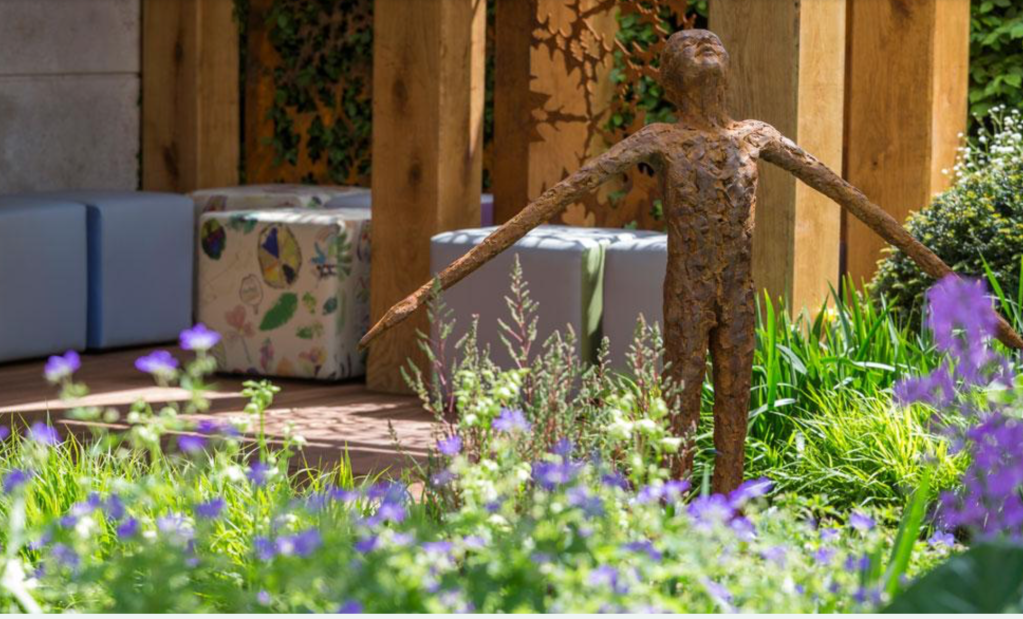
In recent years I have noticed that a lot of the gardens are now being made with a final destination in mind. The one that instantly springs to mind is Chris Beardshaw’s Morgan Stanley Garden for Great Ormond Street Hospital in 2016. We all watched on TV as the garden was installed over the roofs of the surrounding buildings to settle into its new home. At the time Beardshaw said: ‘We want this garden to play an important role in supporting the families of the children at the hospital and I feel very strongly that this garden has to work for them. That makes it, to my mind, one of the most important projects of my career.’
In 2021, another 12 garden designers have been given the chance to design a garden that isn’t just for Chelsea. A new initiative called Project Giving Back, launched in 2021 and privately funded by two individuals, who have chosen to remain anonymous and are RHS Life Members. They are also keen gardeners, who ‘feel strongly about the link between gardens and wellbeing in its widest sense and are keen to help push the broader conversation about the many benefits of gardening’. They are preaching to the choir to anyone who has ever visited Chelsea.
The list of garden’s funded this year includes Beardshaw’s RNLI inspired installation using style hints from the organisation’s Georgian origins; Andy Sturgeon’s creation for the charity Mind, which will be transported to a local branch in Furness, Cumbria to provide eco-therapy for people with mental health problems; and design house, Darryl Moore’s urban pocket park, for St Mungo’s, the homeless charity which will put its own roots down at a site in London with its design purpose to bring people and plants together.
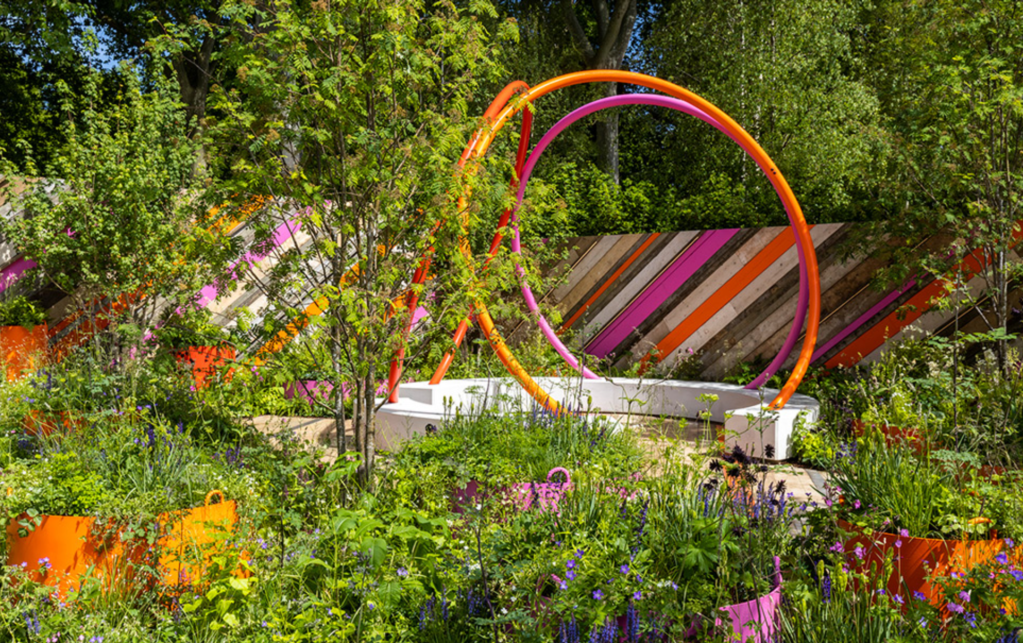
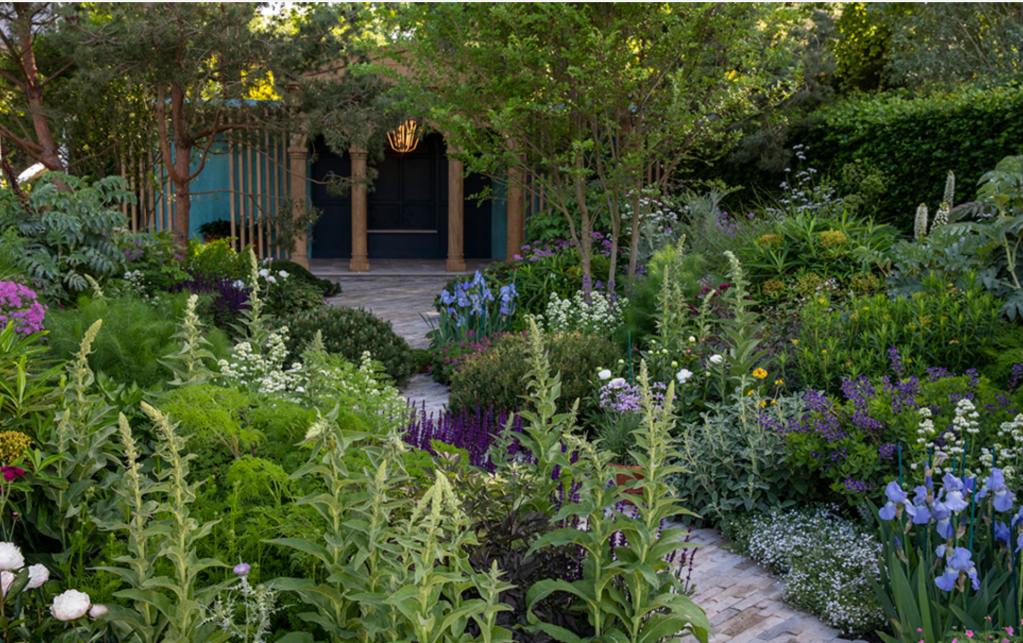
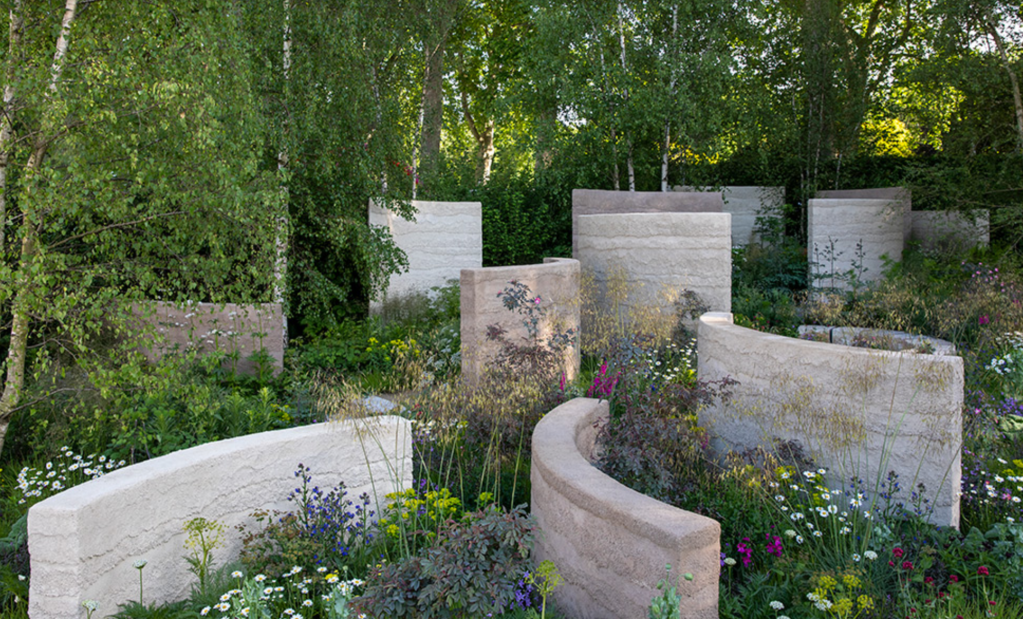
I think the PGB funded gardens are all the better for having a final destination in mind. It has affected not just the planting, but access and inclusivity have also had to be considered. At Chelsea it has always been an issue with me that you cannot actually walk into the gardens unless you have some kind of celebrity status. It would be good to see how all the eye-wateringly expensive gardens would hold up with at least some limited public access … after the judges have been round, of course.
It will be interesting to watch how the PGB gardens develop in their various locations and if the plants and materials can withstand the environments they are thrust into.
This worthwhile charity is now looking for applications for funding for the 2024 show (the 2023 awards have already been chosen). Let’s hope it becomes a permanent initiative and saves many more show gardens from the Chelsea chop down.
 Welcome to Elmsgate Design
Leave a comment